
Blog
What will you find here? Weekly posts on a range of historical topics extending from antiquity to modern times. Sometimes linked to contemporary issues and sometimes not. Full blog access is available through Reader and Patron subscriptions, with a monthly post offered as a free preview.
The Gilded Age
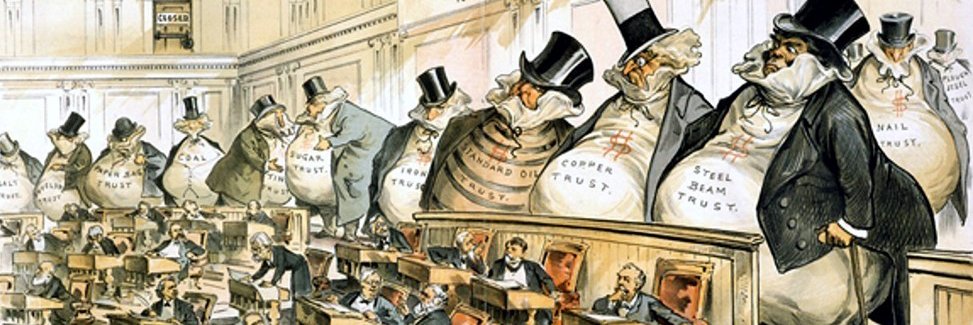
America is the land of practical intelligence, cashable curiosity, ad-agency philosophy, and usable history. Americans are a decidedly practical breed. Their sort of sense is best displayed in dollars, and their cultural inclinations privilege innovation over tradition. That’s the kind of change they are most fond of making. They don’t like the cold and clammy hands of the past choking the life out of progress. But the hands of the almighty clock, well…they pretty much point, jab, clap, slap, if not molest all movements of mind and muscle, body and soul.

Born Innocent: But Not in Prime Time
The American palate for cinematic and televised entertainment in the 1970s ran the gamut between traditional wholesome family fare and an increasing taste for ‘edgy-tainment’ that delivered on more controversial topics. And as with so much else in the culture at the time, viewers at the movie theater or in their home living room found the menu growing increasingly graphic in its depiction of sex and violence.

The Peril of Comic Books
These fine young children don’t know it, but something terribly insidious is happening to them as they read their comic book. They think they are having a few moments of innocent fun, but a highly-credentialed scholar and trained psychiatrist insists their innocence is being deliberately contaminated by the adults in the comic book industry.
Shockingly Offensive Aspects of Jesus' Final Hours
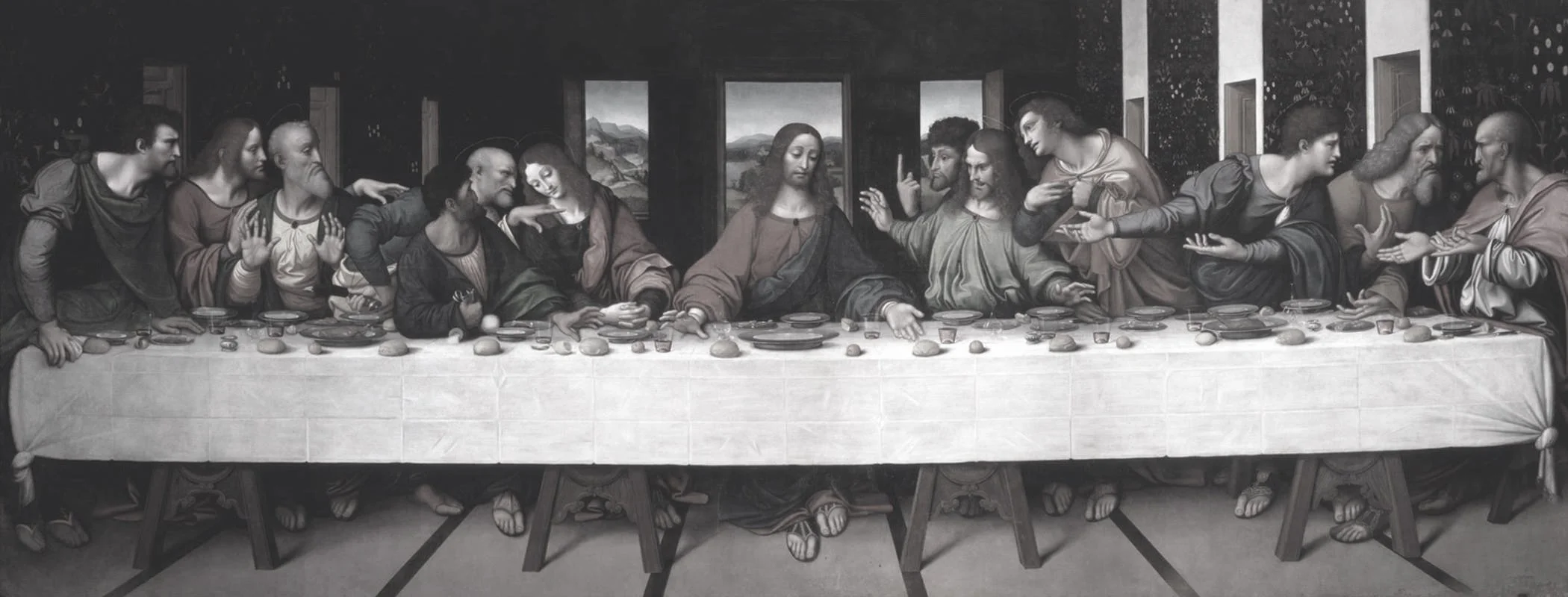
Like jagged rocks subjected to the smoothing agency of flowing water over centuries, time has a way of removing the shock value of distant outrages. Language, fashion styles, standards of decency, societal conventions regarding this and that become normalized soon after thresholds have been crossed. We get used to what we once considered scandalously inconceivable. Such is the nature of many taboos.
Did Rome’s Wealth Spawn the World's First Socialist Revolution?
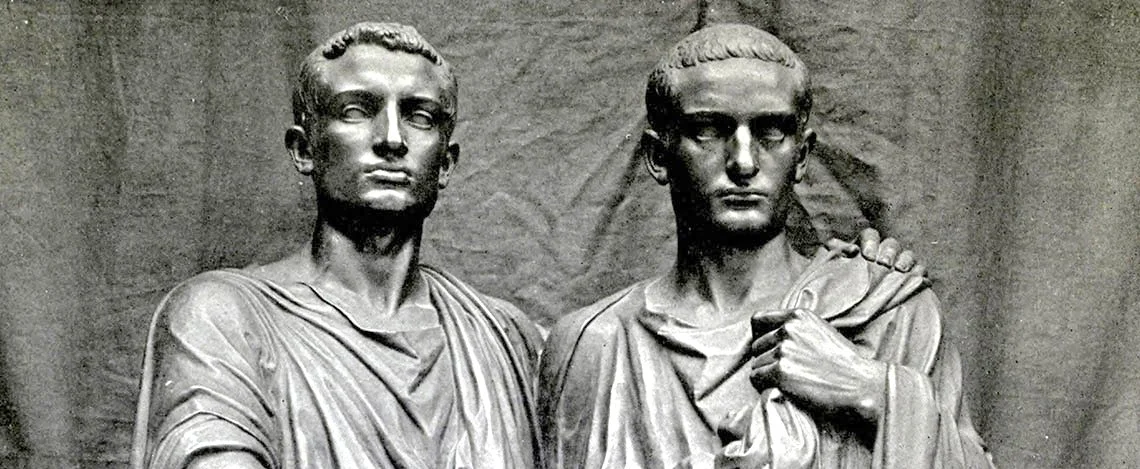
Move over Bernie Sanders, AOC, and Mayor Mamdani, and Let the Gracchi Brothers Take Over.
In last week’s blog, we saw how the massive infusion of Greek culture infiltrated every sector of Roman life, widening the gulf separating traditionalists from modernists, pitting citizens against one another in a hotly contested struggle for the soul of its civilization. Today’s post addresses how Rome’s extraordinary financial growth in the wake of its territorial expansion further polarized the public into competing factions, drawing ever closer to a level of domestic violence not seen in hundreds of years.
Turning Point USA and Turning Point Rome
Go back fifty-six years to the year 1970. Phone booths. Record stores and record players. Newspapers and weekly national magazines. Only three television networks (until PBS made it four in October). Usually but one television set per house (and mostly black and white). Changing the TV dial by hand. AM radio was king. No cell phones. No personal computers. No internet.
W. E. B. Du Bois Visits Duluth
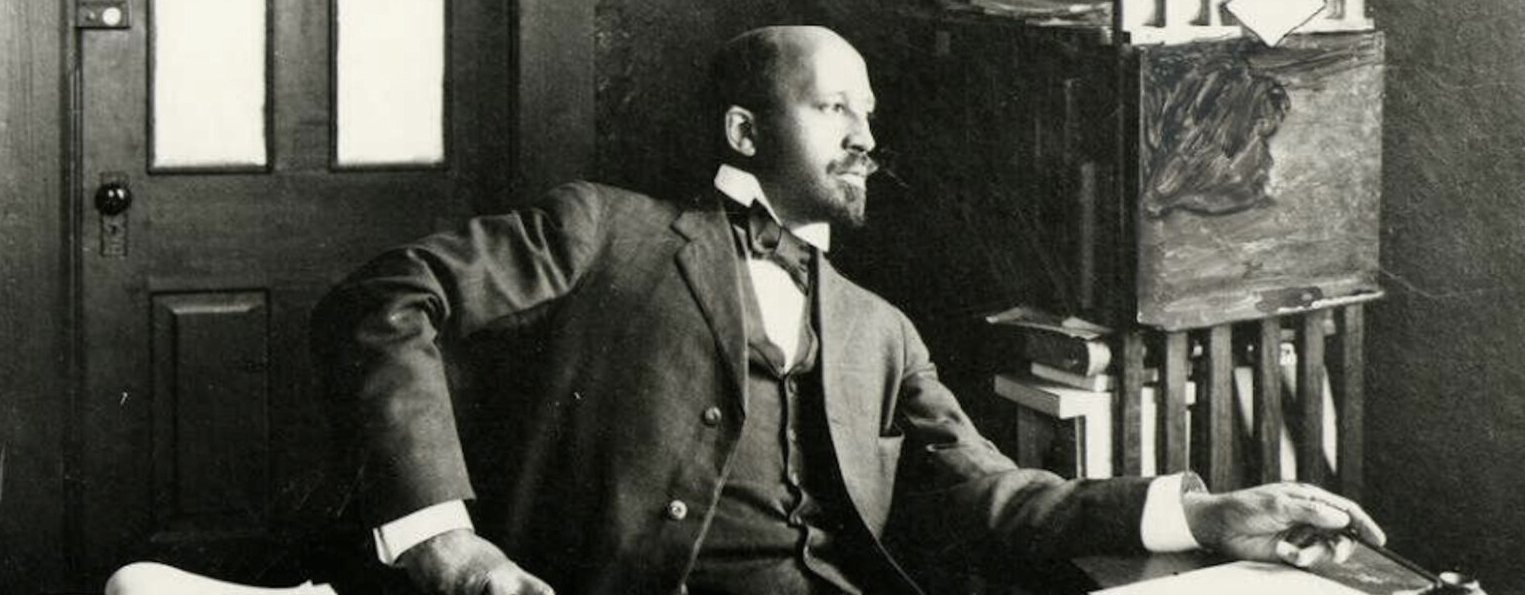
Washington, D.C. August 28, 1963. It was a hot and humid late summer day. Hundreds of thousands of Americans, from all walks of life, descended on the nation’s capital to demand a massive moral and political revolution in the direction of race relations. The March on Washington also drew a proverbial who’s who of America’s civil rights movement—political activists, labor leaders, lawyers and judges, rabbis, priests, and preachers, musicians and singers, celebrated figures of the stage, film, television and literary world were all there. Speech after speech, song after song…but then a hurried rustling of quiet voices exchanged between a small cohort of civil rights leaders. News had arrived of the death, just last night, of one man whose life-long work had helped make possible what was then happening.

“Duluth: Who Loves Ya, Baby?”
Back in the early ‘80s, Kojak,... er, I mean Telly Savalas, an iconic figure of film and television, appeared in a promotional television ad for Visit Duluth. The commercial showed the actor walking through the Glensheen Mansion, one of the city’s most popular tourist attractions, telling us (hahaha) how he’d stopped into the Zenith City to “catch his breath” after gallivanting round the world—but found that the place took his breath away. Pointing to the city’s location on a globe, he remarked, “It’s all right here. Duluth, who loves ya, baby? I do.”

Knott’s Landing On Lake Superior
On Friday, January 27, 1871, Kentucky Democratic congressman J. Proctor Knott figured he’d derail a land-grant bill being debated on the House floor with an entertaining speech dripping with sarcasm. For thirty minutes he lampooned the absurdity of approving an expenditure of tax dollars for a god-forsaken, freezing nothing of a town located on the edge of nowhere called Duluth. It worked. The legislation on behalf of the St. Croix and Lake Superior Railroad never made it to a vote. Deader than Julius Caesar.

In His Majesty’s Service: Ex parte Quirin (1942)
Does the Constitution, like Jerry Seinfeld’s “two-face” girlfriend, look different under different lighting? Much like Gwen’s appearance in the Seinfeld episode “The Strike,” our nation’s history during the dark days of crisis has altered the seemingly fixed features of our Constitution’s language into meanings at odds with common perception. Furthermore, how does one square those ‘altered meanings’ with what appear to be in contradiction with precedents set by the US Supreme Court?

Beach Blanket Bingo: German Saboteurs Wash Ashore
I can’t deny it. One of my all-time favorite WW2 films is Robert Aldrich’s 1967 blockbuster The Dirty Dozen. Based on a 1965 bestselling novel by E. M. Nathanson, the plot involves twelve hardened convicts, five of whom were awaiting execution, recruited as a commando team by the US military for a top secret, most likely suicidal, mission behind enemy lines. A full pardon would be their reward for success. The movie featured an all-star ensemble cast that included: Lee Marvin, George Kennedy, Trini Lopez (a popular musician), Telly Sevalas, Charles Bronson, Donald Sutherland, and football legend, Jim Brown. Who doesn’t remember his grenade run?

The Director’s Cut, Part II: Manipulation
In the first part of “The Director’s Cut,” I recounted autobiographical experiences with filmmakers who’d exploited my ignorance with cinematic adaptations of literary figures. I’d been completely misled by the camera’s perverted depiction of fictional characters lifted from the printed page. Today’s post continues that theme by examining instances where filmmakers intentionally sought to manipulate their audience for propagandistic purposes. Move over Tarzan, Frankenstein, and 007—make way for Hitler, Khrushchev, and JFK.

The Director’s Cut: Reel Damage Done
Tarzan, Frankenstein, and James Bond. These three fictional characters were cinematic icons of my youth. There were others of course. Hammer film monsters and ‘sand and sandals’ heroes were my daily bread. I knew all about Steve Reeves (Hercules), Victor Mature (Hannibal, Demetrius and the Gladiators, Samson and Delilah) and Kirk Douglas (Spartacus). I was a sucker for all of it.

Hey, Hey LBJ…
Do you remember your earliest moment of political awareness? Is it age related or linked to some unforgettable circumstance? If memory serves, the first indication I noticed of a political consciousness presented itself when I was five years old. It appeared the same year I discovered my fascination with history. It was 1960.

The Soundtrack IS the Event of 1966
The brainchild of Ken Kesey, Ramon Sender, and Stewart Bland, the Trips Festival occurred in San Francisco January 21-23, 1966. Around 10,000 people attended the happening. Wes Wilson did the poster. Owsley Stanley ran the sound and brought the LSD. Music was provided by The Grateful Dead, Big Brother and The Holding Company, The Marbles, Jefferson Airplane, The Charlatans, and The Great Society. Eric Christensen documented the event on film. Author Tom Wolfe noted, “The Haight-Ashbury era began that weekend.”

Is Justice Barrett Declaring Independence?
As I sit here at my office desk thinking about today’s Fourth of July celebrations, I cannot resist the urge to link Independence Day with what transpired in the final weeks of the Supreme Court’s 2025 term. The month of June is for Court junkies like me a heady time of intense anticipation. Especially the final cases on the final announcement days.

Alexander’s Excellent Eastern Adventures
In 69 B.C., Julius Caesar went to the Roman province of Further Spain to kickstart his political career as quaester under the governor Antistius Vetus. Not a particularly sexy posting, the job required him to ride circuit among the native communities as a financial magistrate to rule on court cases and settle legal disputes. Yawn.

The Remarkable Life of Alexander the Great
Louis the Stammerer. Justinian the Slit-Nose. Alfonso the Slobberer. Aethelred the Unready. Charles the Bald. Eystein Foul-Fart. You don’t often hear about these historical leaders whose unflattering monikers suggest they just couldn’t cut the mustard. In contrast, there’s the lengthy roster of those rated as “Greats” in the chronicles of past eras—Cyrus the Great, Peter the Great, Constantine the Great, Catherine the Great, Frederick the Great, Pope Gregory the Great, Pompey the Great, Alfred the Great, Charlemagne (Charles the Great), and Suleiman the Great (and Magnificent). The generally accepted lineup of this hallowed order contains the names of over 150 people.

President Lincoln, the Constitution, and the Civil War
Tolstoy’s remarkable story on behalf of a man he viewed as one of earth’s greatest creations due to his manly virtue and human charity certainly deserves our attention and respect. It is reminiscent of things said by many of President John F. Kennedy, martyred nearly one hundred years later also by an assassin’s bullet. But one would be amiss to eclipse the politician for the person. Here we will consider Abraham Lincoln as a political figure.

Tolstoy’s Tribute to Lincoln
Historian Doris Kearns Goodwin was spot on when she stated in the beginning of her massively successful book The Team of Rivals “the uniquely American story of Abraham Lincoln has unequalled power to captivate the imagination and to inspire emotion.” According to a recent estimate, something like 15,000 to 16,000 books have been written in English on his life and career as president.